Switching to electric means sustainability and comfort
08 February 2024
Meet Matt from Ballarat, who slashed his annual gas bill by $1,500 after switching to electric heating.

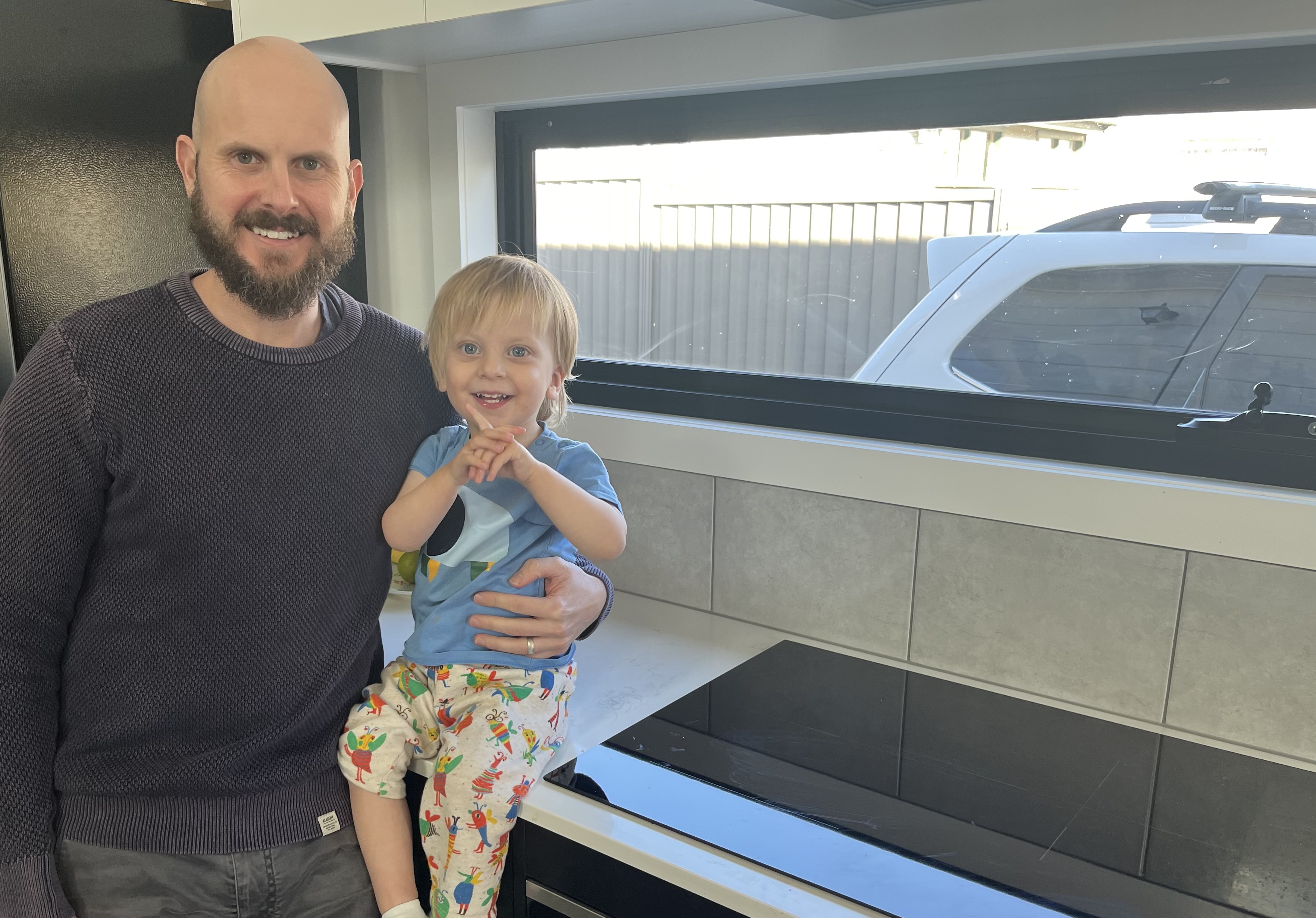
Matt Swards’ motivation for increasing the energy efficiency of his Ballarat home is twofold. “One is sustainability. We are trying to be as carbon neutral as possible,” Matt said. “Two is thermal efficiency. We are trying to keep the house as warm as possible in winter and as cool as possible in summer without any intervention.”
Matt lives in the house with his partner and toddler and has been investing in energy improvements for nearly three years. The weatherboard house was built in 1910 and has a modern extension on the rear. So far, the couple has replaced the gas cooking with electric induction cooking, sealed off the gas-ducted heating to use electric reverse-cycle heating, and is gradually replacing old weatherboards and insulating the walls.
Priorities for their next stage include a 13 KW solar system, costing around $8,700, which will also power a future electric vehicle. The couple will be eligible for a rebate on their solar panels through Victoria’s Solar Homes Program and will apply for Solar Victoria’s interest-free loan. They’re also planning underfloor insulation, at a cost of about $3000 installed, and eventually will replace the single-glazed aluminium windows, a significant expense. In the meantime, they’ve ordered honeycomb blinds.
It hasn’t always gone to plan. “Installing the induction cooktop cost us around $4,000 because we have an engineered stone bench, and unfortunately, no induction cooktop would fit the space,” Matt said. “It would have been easy to give up, but I’ve got asthma, and I’m pretty sure our little boy does too. After reading about the health impacts of gas, we wanted to move to electric.”
Matt advises others considering an energy transition to work out what delivers the biggest bang for your buck. “We were surprised by the split-system heating. It’s a lot cheaper than gas, and you’re only heating a particular space rather than every room. We’ll probably put in another one or two,” he said.
The investments have all been worth it. The couple is saving around $1,500 a year on gas. They expect to save about $2000 a year on electricity once the solar system is installed and possibly earn credit over summer. “We’ll also have a warmer and more comfortable house, and that’s what our focus is really on. We’re trying to raise our two-year-old to be more conscious about our impact on the environment.”